The allure of risk and reward
The thrill of gambling in casinos lies in the delicate balance between risk and reward. Gamblers are often drawn to the prospect of winning large sums of money, which creates an exhilarating rush that is hard to replicate. This psychological push is fueled by the anticipation of a potential windfall, making each spin of the roulette wheel or draw of a card feel like a high-stakes moment. The notion of winning big can sometimes overshadow the practical realities of losing, which keeps players returning in search of that elusive jackpot. In many cases, this pursuit of a significant win can lead to an addictive cycle, where the excitement of the chase becomes the primary motivator, rather than the outcome itself. For those interested in alternative gaming experiences, crypto betting has emerged as a popular choice among enthusiasts.
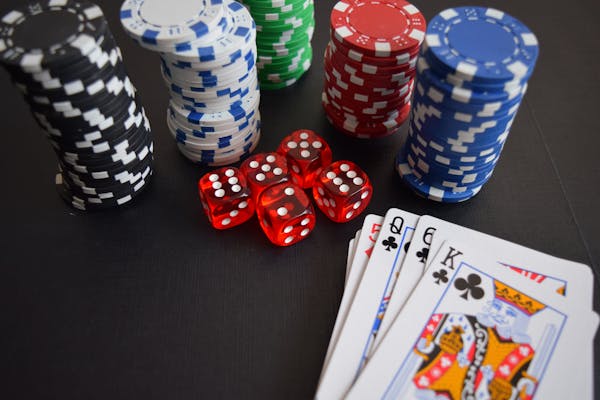
Moreover, the often lavish environments of casinos contribute to their allure. With vibrant lights, sounds of clinking coins, and cheerful music, these establishments are designed to captivate the senses and create an immersive experience. This sensory stimulation plays a crucial role in reinforcing the thrill of gambling, as it connects emotional excitement with the act of wagering. Gamblers frequently report feeling more alive and engaged in these environments, which can further encourage continued play and an attraction to the gamble. The design of casinos aims to prolong this engagement, making it easy for individuals to lose track of time and money.
Cognitive biases also play a significant role in how gamblers perceive risks and rewards. The “gambler’s fallacy,” where individuals believe that past outcomes influence future ones, often leads players to make irrational bets based on previous draws or spins. Such misconceptions can create a false sense of security, bolstering the belief that a win is right around the corner. This mindset encourages further engagement, as gamblers rationalize their losses in hopes of recouping them through future wins, perpetuating a cycle that can be hard to break.
The role of social influence
Social dynamics within casinos can significantly impact gambling behavior. The presence of fellow gamblers can foster a sense of camaraderie, leading individuals to increase their betting amounts or try new games in a bid to fit in or share in the excitement. This social influence can diminish individual risk assessment, as the collective enthusiasm often leads to a bandwagon effect where people feel compelled to join in on the fun, regardless of their better judgment. The excitement of winning, or even losing, can create shared experiences that bond players together, further enhancing the social aspect of gambling.
Furthermore, peer pressure can create an environment where gambling becomes a social norm. Observing others win or lose can skew perceptions of the odds and make players feel more confident in their own abilities. This phenomenon is particularly pronounced in group settings, such as during poker nights or slot machine gatherings, where shared experiences can create a false narrative of success. Over time, these experiences can lead to habitual gambling patterns where individuals feel they must gamble not only for personal enjoyment but also to maintain their social standing. The pressure to conform can sometimes override personal caution, resulting in increased betting and risky behavior.
Despite the camaraderie, social pressures can also trigger negative outcomes. Individuals who may not be predisposed to gambling might find themselves drawn into the activity simply to connect with friends. This can lead to increased gambling frequency, contributing to financial strain or other problematic behaviors. The interplay between social influence and individual gambling decisions reveals the complex relationships that underpin casino gaming culture, underscoring the importance of awareness and moderation in social settings.
The impact of cognitive distortions
Cognitive distortions are prevalent among gamblers, influencing their decision-making processes and perceptions of risk. Many gamblers fall prey to the illusion of control, believing that skill plays a more significant role in games of chance than it actually does. This misconception can lead individuals to engage in more risky behavior, such as wagering larger amounts in hopes of proving their perceived skill. The more one believes they can influence outcomes, the more they may gamble, often ignoring the random nature of most casino games. This belief can make losses feel unjust or surprising, leading to an even greater desire to continue gambling.
This distortion can also manifest in the way players frame their experiences. Gamblers often recall their wins more vividly than their losses, leading to an overestimation of their success. This selective memory can encourage continued play as individuals focus on their lucky streaks while downplaying their financial losses. Such psychological mechanisms can create a feedback loop where the thrill of winning reinforces gambling behavior, often resulting in further risk-taking. As gamblers become more entrenched in this mindset, they may develop a compulsive gambling habit that is increasingly difficult to escape.
Additionally, the concept of near misses plays a significant role in keeping gamblers engaged. Players often feel that being close to winning—like landing two out of three symbols on a slot machine—indicates that they are due for a win. These near misses create a sense of hope and encourage continued play, as gamblers rationalize that their luck will turn around. This psychological effect not only prolongs the gaming experience but can also entrench individuals deeper into gambling habits that may be detrimental to their overall well-being, often leading to a cycle of frustration and hope that can be hard to break.
Consequences of extended gambling
The consequences of prolonged gambling can be severe, affecting various aspects of an individual’s life. Financial instability is one of the most common outcomes, where persistent losses lead to accumulating debt and financial stress. Gamblers often find themselves in a cycle of trying to win back their losses, which can further exacerbate their financial woes. This cycle can lead to significant sacrifices, including neglecting personal relationships, responsibilities, and overall well-being. The weight of financial burdens can result in strained family dynamics and social isolation as individuals prioritize gambling over their personal lives.
Moreover, the emotional and psychological toll of gambling can lead individuals to experience heightened levels of anxiety, depression, and loneliness. As gambling habits intensify, social withdrawal may occur as individuals isolate themselves from friends and family. The stigma surrounding gambling addiction can further complicate seeking help, creating a sense of hopelessness about one’s situation. This emotional decline can perpetuate a negative cycle, making it even harder to break away from gambling, as individuals may feel trapped in their circumstances.
In addition to mental health challenges, the repercussions of gambling can extend to physical health issues as well. Stress from financial difficulties can manifest in various ways, including sleep disturbances, headaches, and chronic conditions exacerbated by anxiety. As individuals attempt to cope with these pressures, unhealthy behaviors such as substance abuse may arise, leading to a decline in overall health. Understanding the consequences of extended gambling is crucial for individuals to make informed and healthy decisions regarding their gaming activities, highlighting the importance of balance and moderation.
Learn more about responsible gambling
For those interested in understanding the psychology behind gambling, it is crucial to approach the subject with a focus on responsible gambling. Numerous resources are available to educate individuals on the potential risks associated with gambling and provide insights into maintaining a healthy balance. Websites dedicated to responsible gambling offer guidance on self-assessment, budget management, and recognizing the signs of problematic gambling behaviors. These tools can empower individuals to take control of their gambling habits and make informed decisions.
Additionally, support systems play an essential role in fostering awareness about gambling addiction. Many organizations and communities provide help for those struggling with gambling-related issues, encouraging individuals to seek assistance before their situations escalate. Providing a platform for discussion can help destigmatize gambling addiction and promote healthier gaming habits. These resources can be invaluable in guiding individuals towards recovery and encouraging responsible gambling practices.
Ultimately, understanding the psychology of casino gamblers equips individuals with the knowledge to engage in gambling responsibly. By acknowledging the psychological influences at play, one can make informed decisions and seek help when necessary. The journey of gambling should be viewed as a form of entertainment, with a clear understanding of the potential risks and consequences that accompany it, allowing individuals to enjoy the thrill without compromising their well-being. Emphasizing responsible practices can enhance the enjoyment of gaming while minimizing the potential for negative outcomes.
